Our Issue Areas
At PeaceBridge, we believe that lasting peace and resilient democracies are built at the intersection of inclusive process and durable institutions.
Our work spans nine interconnected issue areas, each addressing a distinct dimension of how societies prevent violence, resolve conflict, and build the participatory structures that make democratic governance legitimate and sustainable.
Together, these areas reflect our conviction that peacebuilding is not a single discipline but an ecosystem: dialogue creates the space for trust, mediation and negotiation transform conflict into agreement, collective action and citizen security ground peace in everyday life, and cross-cutting commitments to inclusion, gender, climate, youth ensure that the peace we build is equitable and durable. Upholding human rights and justice underpin the ecosystem.
-
Dialogue and Facilitation
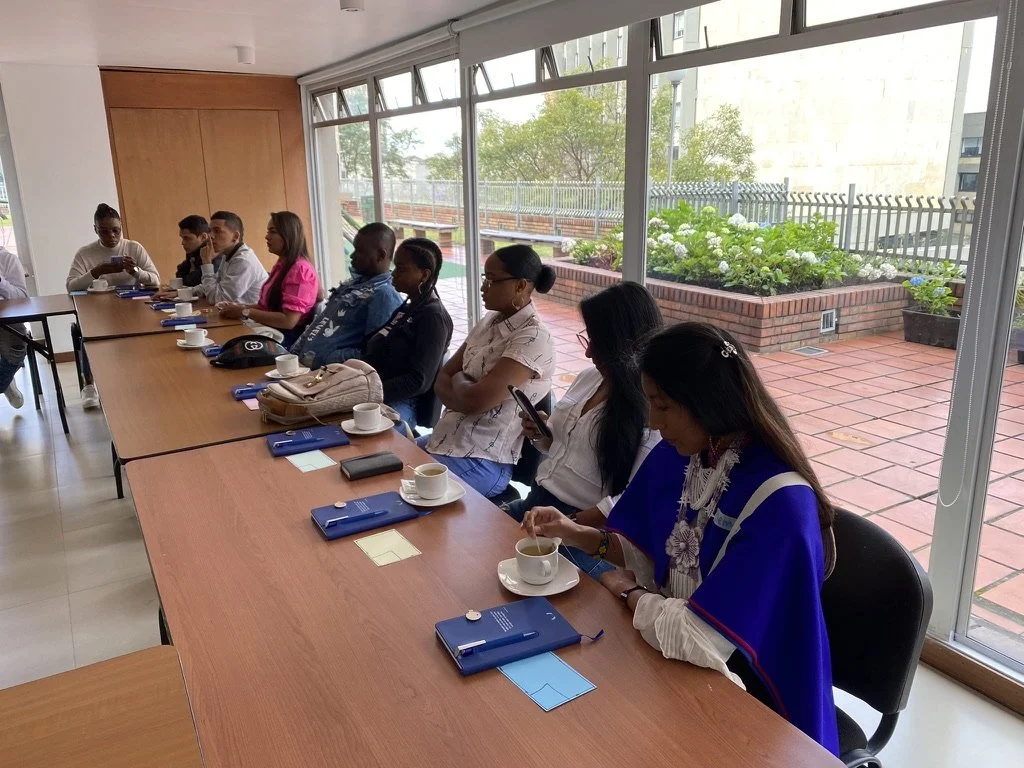
Dialogue is the foundation on which every other peacebuilding intervention is built, creating trusted spaces where adversaries can hear one another and reimagine shared futures. PeaceBridge designs and facilitates structured dialogue processes that bridge divides at the community, national, and international levels.
-
Youth, Peace and Security
Young people are too often treated as passive beneficiaries of peace rather than architects of it, despite being among the most affected by conflict. PeaceBridge advances the Youth, Peace and Security agenda by equipping young leaders with the skills, platforms, and policy access to shape the processes that determine their futures.
-
Mediation and Negotiation
Effective mediation requires both technical skill and deep contextual understanding and trust — the ability to help parties move from entrenched positions toward workable agreements. PeaceBridge provides mediation support and negotiation training to practitioners and parties navigating high-stakes conflicts.
-
Collective Action
Sustainable change is rarely handed down; it is built through the organized, nonviolent action of citizens demanding accountability from their institutions. PeaceBridge draws on decades of experience supporting nonviolent collective action movements, helping communities translate mobilization into lasting political and social gains.
-
Citizen Security
Peace cannot take root where communities live in fear of everyday violence, from organized crime to state overreach. PeaceBridge works with local actors and institutions to design citizen security approaches that reduce violence while strengthening — rather than undermining — public trust in governance.
-
Inclusion
Peace processes that exclude key segments of society rarely produce agreements that hold. PeaceBridge champions inclusive peacebuilding practice, ensuring that marginalized and underrepresented groups have a genuine seat at the table in negotiations, governance, and post-conflict reconstruction.
-
Climate + Environment
Climate change is increasingly a driver of displacement, resource conflict, and instability, making environmental stewardship inseparable from peacebuilding. PeaceBridge integrates climate-conflict programming, helping communities and institutions manage environmental pressures before they escalate into conflict.
-
Gender
Gender-responsive peacebuilding is not just a moral imperative, but rather a strategic one. PeaceBridge applies three distinct lenses to analyze the differential impacts of conflict and violence on women and men. PeaceBridge applies framing from a Women, Peace & Security lense, Intersecting Identities and Peaceful Masculinities into all of its work.
-
Justice and Human Rights
Durable peace depends on societies' ability to reckon honestly with past harms and injustices, hold institutions accountable and build institutions that protect human rights. PeaceBridge supports transitional justice processes and human rights advocacy that help societies move from cycles of impunity toward accountable, rights-respecting governance.